
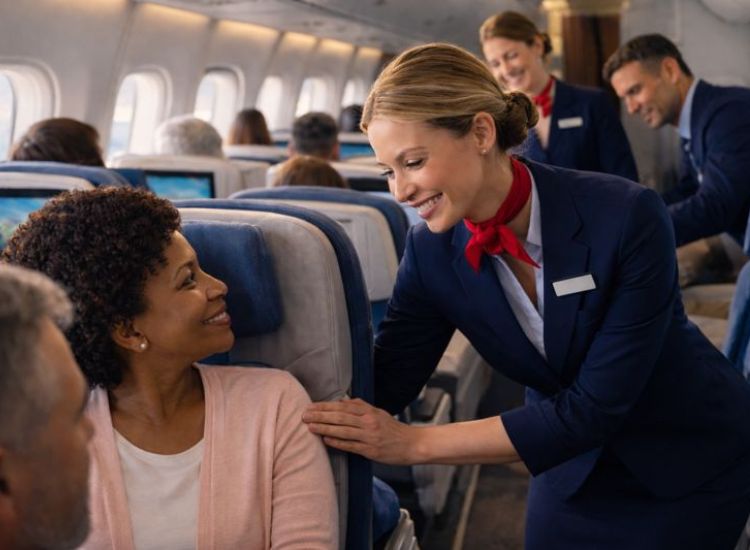
How kindness, understanding, and human connection define the modern flying experience
Air travel is more than getting from one city to another. For millions of Americans, flying is part of work life, family life, and personal moments. While planes, technology, and schedules matter, there is one thing that shapes the experience more than anything else: the empathy of the airline crew. Crew empathy means understanding how passengers feel and responding with care, patience, and respect. In today’s fast-moving and often stressful travel environment, empathy has become the true heart of airline hospitality.
What empathy means in air travel
Empathy is the ability to understand another person’s situation and emotions. In aviation, this could mean recognizing that a passenger is anxious, tired, confused, or overwhelmed. It is not about grand gestures. It is about small, human actions.
A calm voice during turbulence, a kind smile during boarding, or a patient explanation during a delay can change how a passenger feels. Empathy helps turn a stressful journey into a manageable one.
Why passengers value empathy more than ever
Modern travel comes with challenges. Flights are often full, airports are busy, and delays happen. Many passengers arrive at the airport already tired or stressed. Some are flying for important reasons like family emergencies, work deadlines, or long-awaited vacations.
In these moments, passengers do not just want rules and announcements. They want to feel understood. Empathetic crew members help passengers feel seen and respected, even when things go wrong. For US travelers, especially frequent flyers, empathy often matters more than luxury. A kind interaction can leave a stronger impression than extra legroom or free snacks.
Empathy during stressful situations
Delays, cancellations, and missed connections are part of air travel. While airlines cannot always control these situations, crew response makes a big difference.
When crew members communicate clearly, listen patiently, and show understanding, passengers are more likely to stay calm. Simple phrases like “I understand this is frustrating” or “I’m here to help” can reduce anger and anxiety.
Empathy does not fix every problem, but it helps passengers feel supported rather than ignored. This emotional support is a key part of airline hospitality.
Empathy inside the cabin
Inside the aircraft, empathy shows up in many ways. Crew members notice when someone needs help lifting a bag, when a nervous flyer needs reassurance, or when a parent needs extra time with a child.
Empathetic crews respect personal space, speak politely, and handle concerns without judgment. They understand that each passenger has a different comfort level and background.
For elderly passengers, people with disabilities, or first-time flyers, empathy creates trust and confidence. It helps everyone feel safe and comfortable in the air.
The link between empathy and trust
Trust is essential in aviation. Passengers place their safety and comfort in the hands of airline crews. Empathy strengthens this trust.
When passengers feel that crew members genuinely care, they are more likely to listen to instructions and cooperate. Trust grows when people feel respected, not rushed or dismissed.
Empathy also improves how passengers remember the flight. Even if the journey was not perfect, positive human interaction leaves a lasting impression.
How empathy supports airline brands
Airlines compete in a crowded market. Planes and routes may look similar, but service sets brands apart. Crew empathy plays a major role in building loyalty.
Passengers remember how they were treated. They talk about kind crew members, share stories online, and recommend airlines to friends and family. These emotional connections help airlines stand out.
In the long run, empathy supports better reviews, repeat bookings, and a stronger brand reputation. It is not just a soft skill; it is a business strength.
Training empathy in airline crews
Empathy is natural, but it can also be trained. Many airlines now focus on emotional intelligence, communication skills, and cultural awareness in crew training. Training helps crew members manage their own stress and respond calmly to passengers. It also prepares them to handle different personalities and situations with care. When airlines invest in empathy training, they invest in better passenger experiences. Crew members feel more confident, and passengers feel more valued.
The future of airline hospitality
As technology grows, some parts of travel become automated. Check-in kiosks, apps, and digital boarding passes are now common. But technology cannot replace human understanding.
In the future, airline hospitality will rely even more on empathy. Passengers will continue to expect kindness, patience, and clear communication, especially during difficult moments.
For US citizens who travel often, empathy is becoming the standard, not a bonus. Airlines that prioritize human connection will earn trust and loyalty.
Why empathy truly matters
Crew empathy reminds passengers that flying is still a human experience. It brings warmth to a technical and structured environment. It turns routine flights into positive memories. At its core, airline hospitality is about people caring for people. Empathy is the heart that keeps this promise alive, mile after mile.

Latest News





Hospitality Business Outlook is the premier source of insights, trends, and innovations shaping the global hospitality industry. Our magazine is dedicated to showcasing top hospitality companies, breakthrough technologies, and industry leaders who are redefining guest experiences and operational excellence.
We respect your privacy. The email address you provide will be used solely for subscription purposes and will not be stored or shared.
Subscribe Now