
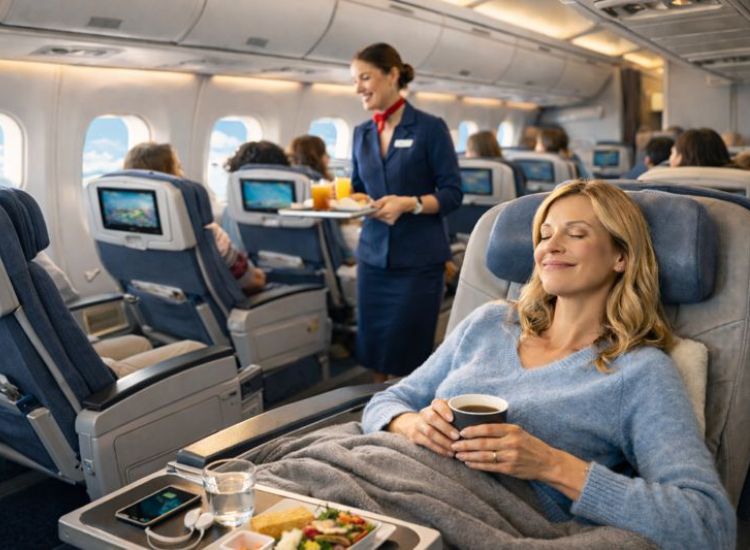
Why comfort, care, and experience matter more than ever in the modern American air journey
Flying in the United States is changing. For many years, airline travel was mostly about reaching a destination as quickly and cheaply as possible. Comfort often came second. Today, that mindset is shifting. American travelers are asking for more comfort, better service, and a smoother overall experience. Airlines are listening, because passengers now have clear expectations about how flying should feel. This new phase can be called comfort-first flying. It focuses on making the journey easier, calmer, and more enjoyable from booking to landing. For US citizens who fly for work, family visits, or vacations, comfort is no longer a luxury. It is becoming a basic requirement.
Why comfort matters more today
Life has become faster and more stressful. Many travelers already feel tired before they even reach the airport. Long security lines, delays, crowded cabins, and uncomfortable seats only add to that stress. After experiencing disruptions in recent years, passengers now value peace of mind as much as ticket price.
Comfort-first flying means reducing stress at every step. Travelers want airlines to respect their time, space, and well-being. A comfortable flight helps passengers arrive feeling relaxed, not exhausted.
What passengers expect before boarding
The comfort experience starts long before stepping onto the plane. US travelers now expect airline websites and mobile apps to be simple and clear. Booking a ticket should be easy, with transparent pricing and no confusing add-on surprises. Passengers also want better communication. When flights are delayed or gates change, timely updates through apps or text messages make a big difference. Clear information reduces anxiety and builds trust.
At the airport, travelers look for smoother check-in, faster boarding, and more organized processes. Many passengers appreciate digital boarding passes, self-service kiosks, and efficient bag drop systems. These small improvements help create a calm start to the journey.
Comfort inside the cabin
Once on board, comfort becomes very personal. Seat comfort is one of the biggest expectations. Passengers want seats with better cushioning, more legroom, and adjustable headrests, even in economy class. While not every airline can offer luxury seating, small improvements are noticed and appreciated.
Cabin cleanliness is another major factor. Travelers expect clean seats, tidy tray tables, and well-maintained restrooms. A clean environment makes passengers feel cared for and safe.
Noise levels also matter. Quieter cabins, better sound insulation, and respectful announcements help create a peaceful atmosphere. Many passengers use flights to rest, work, or watch entertainment, so a calm environment adds real value.
Food, drinks, and small comforts
Food may seem like a small detail, but it plays a big role in comfort-first flying. US passengers expect fresh, good-quality snacks and meals, especially on longer flights. Healthy options, clear ingredient labels, and special meal availability are increasingly important.
Free water, hot drinks, and occasional complimentary snacks help passengers feel looked after. Even simple gestures like offering refills or smiling service can improve the entire flight experience.
Other comfort touches, such as blankets, pillows, charging ports, and stable Wi-Fi, are now seen as essentials rather than extras. Staying connected and comfortable is part of modern travel expectations.
Customer service and human connection
Technology helps, but human interaction still matters deeply. Passengers expect airline staff to be polite, patient, and helpful. Friendly greetings, calm explanations during delays, and understanding attitudes go a long way.
Comfort-first flying also means treating passengers with respect. Clear rules, fair policies, and empathetic service during disruptions build loyalty. Travelers remember how they were treated, especially when something goes wrong.
Post-flight expectations
Comfort does not end when the plane lands. Passengers want fast baggage delivery, easy connections, and smooth exits from the aircraft. Delays at baggage claim can undo an otherwise pleasant flight.
Many US travelers also expect airlines to ask for feedback and actually use it. Surveys, customer reviews, and quick response channels show that airlines care about improving the experience.
How airlines are adapting
To meet these expectations, US airlines are investing in better aircraft interiors, improved technology, and staff training. Many are redesigning cabins, upgrading seats, and focusing on service quality rather than only cost-cutting.
Airlines that succeed understand that comfort leads to loyalty. When passengers feel valued, they are more likely to choose the same airline again, even if the ticket costs a little more.
The future of comfort-first flying
Comfort-first flying is not a passing trend. It reflects a bigger change in how Americans view travel. Flying is no longer just transportation. It is part of the overall life experience.
In the future, passengers will continue to expect calm, clarity, and care. Airlines that focus on comfort, communication, and customer trust will stand out in a competitive market. For US citizens, the message is clear: flying should feel human, not exhausting.

Latest News





Hospitality Business Outlook is the premier source of insights, trends, and innovations shaping the global hospitality industry. Our magazine is dedicated to showcasing top hospitality companies, breakthrough technologies, and industry leaders who are redefining guest experiences and operational excellence.
We respect your privacy. The email address you provide will be used solely for subscription purposes and will not be stored or shared.
Subscribe Now