
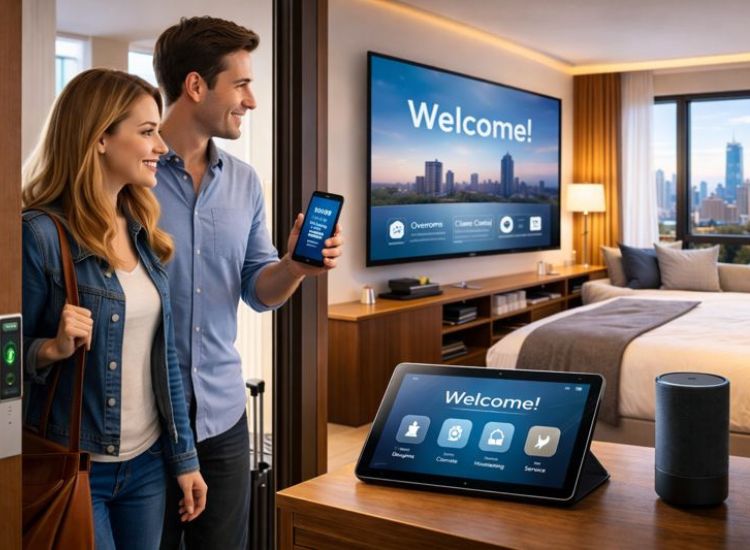
From mobile check-ins to smart rooms, simple tech upgrades are making hotel stays easier, faster, and more personal.
Staying at a hotel today feels very different from the past. Long check-in lines, room keys that stop working, and calling the front desk for every small request are slowly becoming things of the past. Across the United States, hotels are using smart technology to create smoother, more comfortable, and more personalized guest experiences. These changes are not loud or complicated. Instead, they quietly improve how guests rest, relax, and enjoy their stay.
Smart technology in hotels is not about luxury alone. It is about convenience, comfort, and control. Whether it is a budget hotel or a high-end resort, technology is helping hotels serve guests better while also making daily operations easier for staff.
What does smart technology mean in modern hotels?
Smart hotel technology includes digital tools and systems that improve how guests interact with the hotel. This can start even before arrival. Many hotels now allow guests to book rooms, choose preferences, and check in using a mobile app.
Once inside the hotel, smart features may include digital room keys, smart thermostats, voice-controlled lights, smart TVs, and contactless payments. These tools are designed to be simple and familiar, especially for guests already used to smartphones and apps.
The goal is not to replace human service, but to remove unnecessary delays and frustrations, making stays more relaxing and enjoyable.
Mobile check-in and digital room keys
One of the biggest changes in modern hotel stays is mobile check-in. Guests no longer need to wait at the front desk. They can check in using their phone, receive a digital room key, and go straight to their room.
Digital keys work through hotel apps and unlock doors using smartphones. This is convenient for travelers who arrive late or prefer minimal contact. It also reduces lost key cards and helps hotels manage security better.
For US travelers who value speed and independence, mobile check-in has become a major advantage.
Smart rooms that adjust to guest comfort
Smart rooms are changing how guests feel inside their hotel rooms. Lights, temperature, curtains, and entertainment systems can now be controlled using a tablet, phone, or voice assistant.
Guests can set the room temperature exactly how they like it. Lighting can be adjusted for reading, working, or relaxing. Smart TVs allow guests to log into their own streaming accounts, making the room feel more like home.
These small comforts create a more personal experience and help guests relax faster after a long day of travel or work.
Contactless services and safer stays
Contactless technology has become very popular in recent years. Hotels now offer contactless payments, digital service requests, and virtual concierge services.
Instead of calling the front desk, guests can request towels, room cleaning, or late checkout through an app. This saves time and reduces misunderstandings.
Many guests feel more comfortable with fewer physical interactions, especially when traveling with family or for business. Contactless services offer peace of mind without removing personal hospitality.
Smart technology behind the scenes
Smart technology not only helps guests. It also helps hotel staff and management. Automated systems track room availability, energy usage, maintenance needs, and housekeeping schedules.
For example, smart sensors can detect when a room is empty and adjust air conditioning to save energy. Maintenance teams receive alerts before equipment fails, reducing disruptions.
This makes hotel operations more efficient and eco-friendly, which is important for both cost control and sustainability goals.
Personalized guest experiences
One of the biggest benefits of smart hotel technology is personalization. Hotels can remember guest preferences such as room temperature, pillow type, or favorite TV channels.
Returning guests may find their room already set up the way they like it. This creates a sense of care and familiarity, even in large hotel chains.
Personalization helps hotels build loyalty and makes guests feel valued, not just accommodated.
Are guests comfortable with hotel technology?
Most US guests are already comfortable using apps, smart devices, and digital payments. When hotel technology is easy to use, it feels natural rather than confusing.
The key is balance. Guests should always have the option to speak to staff or choose traditional services if they prefer. The best hotels use technology as support, not as a replacement for human connection.
Clear instructions, simple design, and friendly staff support make smart technology more welcoming for all age groups.
Challenges hotels must consider
While smart technology offers many benefits, it also requires investment, training, and strong cybersecurity. Hotels must protect guest data and ensure systems work smoothly at all times.
Technology failures can cause frustration, so hotels need backup options and trained staff to help when needed. Privacy is another important concern, and hotels must be transparent about how guest data is used.
When handled carefully, these challenges can be managed without affecting the guest experience.
The future of hotel stays in the US.
Smart technology will continue to grow in hotels across the United States. Future hotel rooms may automatically adjust settings based on guest profiles. Voice assistants may offer local recommendations. Artificial intelligence may help hotels predict guest needs before they ask.
Despite these advancements, the heart of hospitality will remain the same. Guests want comfort, care, and ease. Technology simply helps hotels deliver these things more effectively.

Latest News




Hospitality Business Outlook is the premier source of insights, trends, and innovations shaping the global hospitality industry. Our magazine is dedicated to showcasing top hospitality companies, breakthrough technologies, and industry leaders who are redefining guest experiences and operational excellence.
We respect your privacy. The email address you provide will be used solely for subscription purposes and will not be stored or shared.
Subscribe Now