
How movie theaters are turning film watching into a full entertainment journey
Cinema in the United States is changing fast. Watching a movie is no longer just about sitting in a dark room and looking at a screen. Today’s audiences want more comfort, more engagement, and more value for their time and money. In an experience-driven world, cinema hospitality is becoming just as important as the movie itself. The future of cinema depends on how well theaters can create memorable, enjoyable, and emotionally rich experiences for guests.
Why traditional movie theaters are evolving
In the past, cinemas focused mainly on screen size, sound quality, and ticket sales. While these elements are still important, modern audiences expect much more. People can now watch movies at home with high-quality screens and streaming platforms. To compete, cinemas must offer something that cannot be easily replicated at home.
This is where hospitality comes in. Clean spaces, friendly staff, comfortable seating, good food, and smooth service are becoming key reasons why people choose theaters. The cinema of the future is not just a place to watch a film, but a destination to relax, socialize, and enjoy time with others.
Comfort and luxury as core expectations
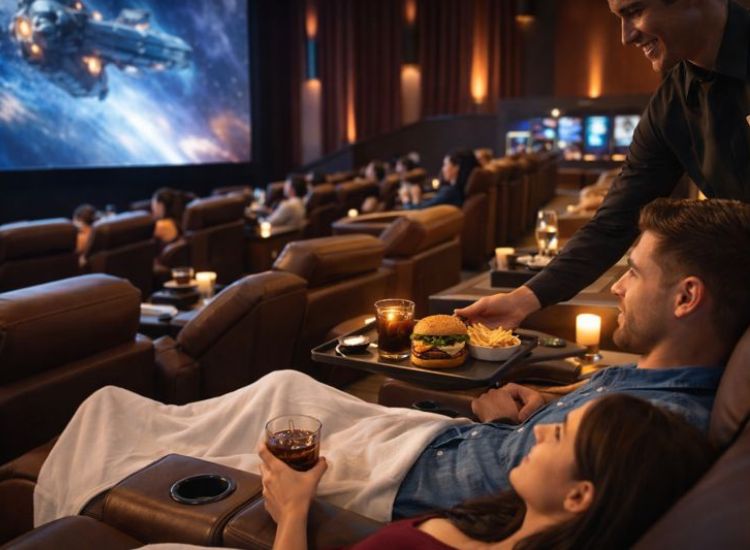
Comfort is one of the biggest changes shaping cinema hospitality. Many modern theaters now offer recliner seats, extra legroom, blankets, and private seating options. Guests want to feel relaxed, not cramped. Premium seating options allow cinemas to serve different customer needs, from couples on a date to families and solo movie lovers.
Luxury cinemas are also growing in popularity across the US. These theaters focus on comfort, quiet spaces, and personalized service. For many guests, paying a little extra feels worth it when the experience is calm, smooth, and special.
Food and beverage redefining the cinema experience
Food has become a major part of cinema hospitality. Popcorn and soda are no longer enough for many guests. Today’s theaters offer gourmet snacks, fresh meals, desserts, craft beverages, and even full-service dining. Some cinemas allow guests to order food directly to their seats.
This shift makes moviegoing feel more like a restaurant experience combined with entertainment. Quality food not only increases guest satisfaction but also boosts revenue for theaters. In the future, menus will continue to expand with healthier options, local flavors, and customizable choices.
Technology enhancing guest journeys
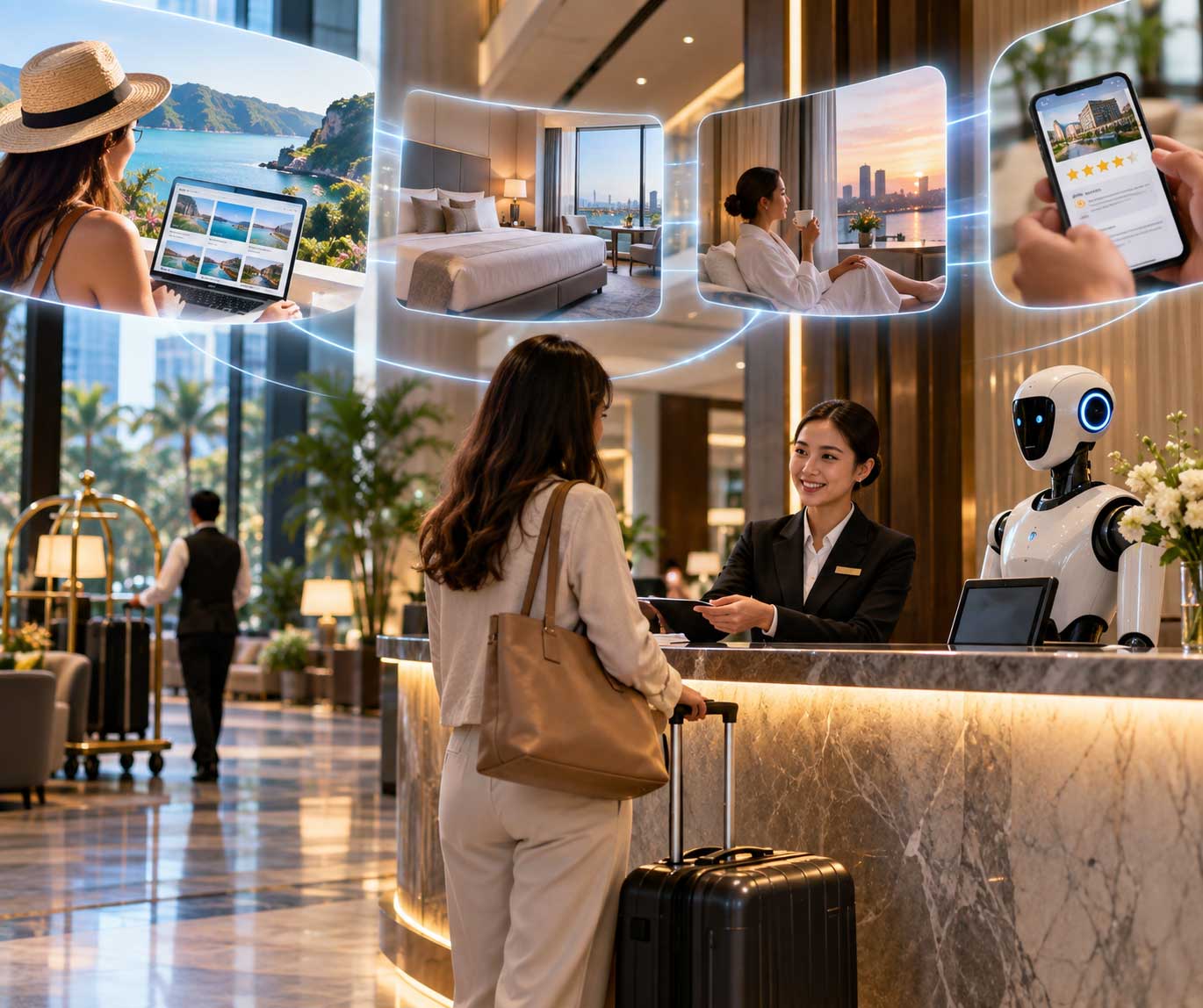
Technology is playing a big role in shaping the future of cinema hospitality. Online ticket booking, mobile seat selection, and contactless payments are now standard expectations. Guests want fast and simple processes that save time and reduce stress.
Inside the theater, technology helps improve both comfort and immersion. Advanced sound systems, high-definition screens, motion seating, and sensory effects make movies feel more real. Some cinemas are also using AI-powered systems to suggest movies, manage crowd flow, and personalize promotions based on guest preferences.
Creating immersive and themed experiences
Modern audiences are looking for experiences, not just content. Cinemas are responding by creating immersive environments. This can include themed interiors, special lighting, interactive lobbies, and movie-related décor. These details help guests feel excited even before the movie starts.
Special events like fan screenings, live discussions, themed nights, and early previews add emotional value. These experiences make cinema visits feel unique and memorable. In the future, theaters will focus more on storytelling beyond the screen.
Customer service and human connection
Even with advanced technology, human services remain essential. Friendly staff, quick assistance, and personal attention make guests feel welcome. Cinema hospitality is about making people feel cared for, not rushed.
Well-trained teams who understand guest needs can turn small moments into positive memories. Whether it is helping guests find seats, resolving issues quickly, or offering recommendations, human interaction builds loyalty and trust.
Adapting to changing lifestyles
Modern US audiences have busy and diverse lifestyles. Some guests want quick shows after work, while others want a full evening experience. Cinemas are adapting by offering flexible showtimes, reserved seating, and varied pricing options.
Family-friendly cinemas, adult-only screenings, and premium lounges help theaters serve different audience segments. The future of cinema hospitality lies in understanding these varied expectations and responding with flexible solutions.
Sustainability and responsible operations
Many guests now care about sustainability. Cinemas are starting to reduce waste, use eco-friendly packaging, and improve energy efficiency. These efforts may seem small, but they influence how guests feel about a brand.
In the future, sustainable cinema practices will become part of the guest experience. People want to enjoy entertainment without feeling guilty about the environmental impact.