
How simple technology is making restaurants faster, friendlier, and more enjoyable for everyday guests
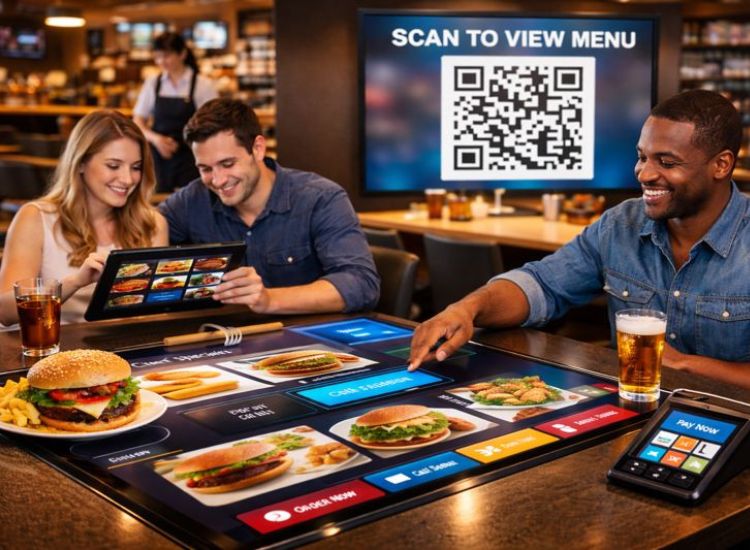
Walking into a restaurant today feels very different from just a few years ago. Instead of waiting for a printed menu or trying to flag down a server, many guests now scan a code, tap a screen, or interact with a smart table. Digital menus and smart tables are quietly changing how Americans dine out. These tools are not about replacing people. They are about making dining smoother, clearer, and more convenient for both customers and restaurant teams.
Digital menus and smart tables are becoming common across the United States, from casual cafés to full-service restaurants. They help businesses run better while giving customers more control over their dining experience. Most importantly, they are simple to use and designed for everyday people, not just tech experts.
What are digital menus and smart tables
A digital menu is an electronic version of a restaurant menu. It can appear on a tablet, a touchscreen at the table, a self-service kiosk, or a customer’s smartphone after scanning a QR code. These menus show food items, prices, pictures, ingredients, and sometimes even nutrition details.
Smart tables take this idea a step further. A smart table is usually a table with a built-in screen or connected system. Customers can browse the menu, place orders, request service, split bills, and pay directly from the table. Some smart tables also allow simple games or feedback options while guests wait for their food.
Why restaurants are moving away from paper menus
Paper menus have many limits. They are costly to print, hard to update, and can easily wear out. If prices change or items are unavailable, restaurants must reprint everything. Digital menus solve this problem instantly. Updates can be made in seconds, and changes appear right away.
Digital menus also help reduce contact, which many customers prefer after recent years of health concerns. They feel cleaner, safer, and more personal. For restaurants, they also reduce waste, supporting more eco-friendly operations.
How digital menus improve the customer experience
Digital menus make ordering easier and faster. Customers can take their time browsing without feeling rushed. Clear pictures help guests understand what they are ordering, especially if they are trying something new. Ingredient details help people with allergies or dietary preferences make safer choices.
Many digital menus suggest add-ons, popular items, or combos. This helps customers discover options they might have missed on a paper menu. It also reduces ordering mistakes because guests select items directly.
For families, digital menus can be especially helpful. Kids can see pictures, parents can customize orders, and everyone stays engaged while waiting.
The role of smart tables in modern dining
Smart tables give guests more control. Instead of waiting for a server to take an order, refill water, or bring the check, customers can request these through the table. This reduces wait times and makes dining feel more relaxed.
Smart tables are also useful during busy hours. Restaurants can serve more guests efficiently without overwhelming staff. Servers can focus on hospitality, answering questions, and creating a friendly atmosphere instead of running back and forth.
Payment becomes easier, too. Guests can split checks, tip, and pay digitally without waiting. This is especially popular in casual dining and group settings.
Benefits for restaurant owners and staff
Digital menus and smart tables help restaurants run more smoothly. Orders go straight to the kitchen, reducing errors. Staff spend less time taking orders and more time caring for guests. Training new employees becomes easier because systems guide the process.
Restaurants also gain valuable data. They can see which items sell best, what times are busiest, and how customers behave. This helps owners make smarter decisions about pricing, menu design, and staffing.
Technology does not replace staff. Instead, it supports them. Many servers say these tools reduce stress during peak hours and help them deliver better service.
Are customers comfortable with this technology?
Most US customers are already used to smartphones, apps, and digital payments. Digital menus feel familiar rather than confusing. Even guests who prefer traditional service often appreciate having options.
Restaurants that do well with this technology usually offer balance. Customers can still ask questions, request help, or order the traditional way if they prefer. The goal is choice, not pressure.
Accessibility is also improving. Many digital menus now include larger text, language options, and voice support to help different users.
Challenges and things to consider
While digital menus and smart tables offer many benefits, they require reliable internet and regular system updates. Restaurants must also ensure data security and protect customer information.
Another challenge is human connection. Technology should support hospitality, not replace warmth and personal service. The best restaurants use technology quietly in the background while keeping people at the center.
The future of dining in the US
Digital menus and smart tables are not a passing trend. They reflect how Americans live today. People want speed, clarity, and convenience, especially when dining out. As technology becomes more affordable, even small restaurants are adopting these tools.
In the future, menus may adjust automatically based on time of day, weather, or customer preferences. Smart tables may offer loyalty rewards or personalized recommendations. But the core goal will remain the same: better dining experiences.

Latest News



Hospitality Business Outlook is the premier source of insights, trends, and innovations shaping the global hospitality industry. Our magazine is dedicated to showcasing top hospitality companies, breakthrough technologies, and industry leaders who are redefining guest experiences and operational excellence.
We respect your privacy. The email address you provide will be used solely for subscription purposes and will not be stored or shared.
Subscribe Now