
How thoughtful ship design turns every cruise moment into a smooth and stress-free experience
Cruising is one of the most relaxing ways to travel for many Americans. Guests expect comfort, ease, and enjoyment from the moment they arrive at the port until they step back on land. Behind this smooth experience is smart cruise design. A well-designed cruise ship guides guests naturally through every stage of the journey, from boarding to disembarkation.
Cruise design is not only about beauty or size. It is about how spaces work together to make guests feel calm, welcomed, and cared for. When design is done right, guests hardly notice it, but they feel the difference at every step.
The First Impression begins at boarding.
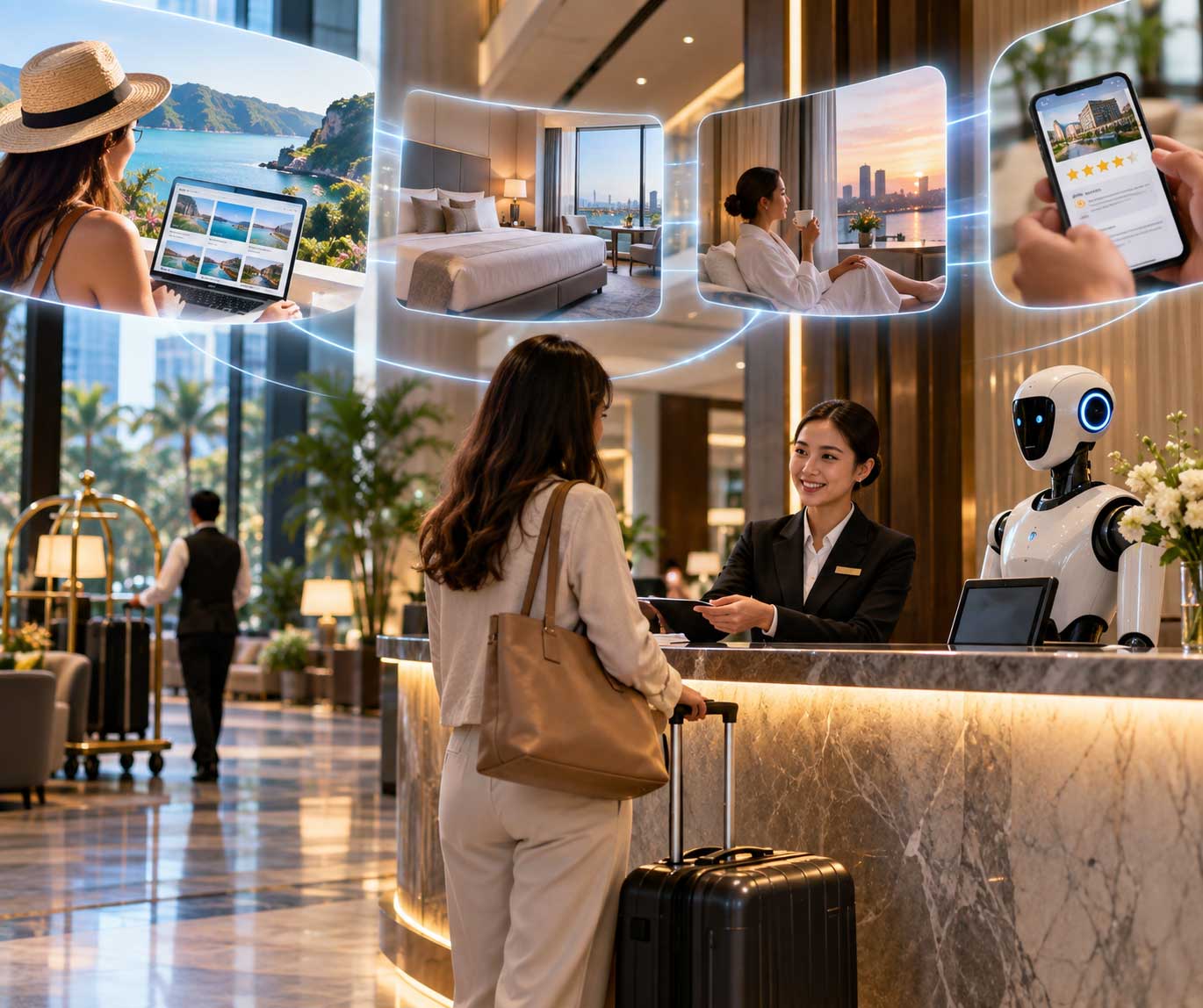
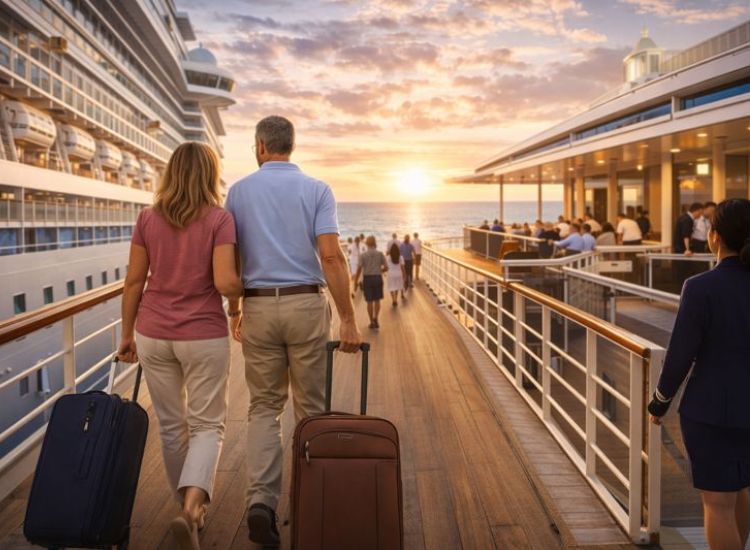
The guest journey starts at the port. Boarding can be stressful if lines are long or directions are unclear. Modern cruise design focuses on open layouts, clear signs, and easy movement. Spacious terminals, organized check-in areas, and digital boarding systems help guests feel relaxed right away.
Wide walkways, friendly staff stations, and smooth security checks reduce confusion. For US travelers, efficiency matters. A smooth boarding experience sets a positive tone for the entire cruise.
Design that guides guests naturally
Once onboard, guests should feel oriented without effort. Good cruise design uses natural flow. Elevators, staircases, and corridors are placed where guests expect them to be. Lighting, colors, and layout gently guide people from one area to another.
Public spaces like atriums often act as central hubs. From here, guests can easily reach dining areas, entertainment venues, and cabins. Clear design reduces the need for constant directions and helps guests explore with confidence.
Cabin design focuses on comfort and function.
Cruise cabins are personal spaces where guests rest and recharge. Smart cabin design balances comfort with practicality. Beds are positioned for better movement, storage is well-planned, and lighting is adjustable.
Modern cabins often include smart controls for temperature and lighting. This gives guests control over their environment. Comfortable cabins improve sleep and overall satisfaction, which is very important for longer cruises.
Dining spaces designed for flow and choice
Dining is a major part of the cruise experience. Cruise design ensures that dining venues are easy to find and pleasant to enter. Open seating areas, clear entry points, and smooth traffic flow prevent crowding.
Many ships offer multiple dining options spread across different decks. This reduces congestion and gives guests flexibility. Whether guests prefer casual meals or formal dining, good design makes every option feel accessible and relaxed.
Entertainment areas that feel inviting
Cruise ships offer many entertainment choices, from theaters to lounges and activity zones. Thoughtful design places these areas where guests can reach them easily without disturbing quieter spaces.
Sound control, seating layout, and entry design help guests enjoy shows comfortably. Open social areas encourage interaction, while quiet zones offer peaceful retreats. This balance is especially valued by US travelers seeking both fun and relaxation.
Outdoor spaces designed for enjoyment
Deck areas, pools, and walking paths are designed to manage large groups while still feeling spacious. Clear paths, shaded seating, and safe railings allow guests to move freely and enjoy ocean views.
Design also considers weather changes. Covered areas, wind protection, and adaptable furniture ensure comfort throughout the journey.
Wayfinding made simple
Good cruise design helps guests find their way without stress. Clear signage, deck maps, and digital screens support easy navigation. Colors, symbols, and layout patterns help guests remember locations.
This reduces frustration and helps guests focus on enjoying their time onboard.
A smooth and calm disembarkation
The guest journey ends with disembarkation. A well-designed process ensures this final moment is smooth and organized. Separate exit flows, clear instructions, and comfortable waiting areas help guests leave calmly.
Efficient design leaves guests with a positive final impression, increasing the chance they will cruise again.